

The Role of Community Resources in Understanding Power of Attorney in Mississippi
Power of Attorney (POA) is a important legal tool that allows individuals to appoint someone to manage their affairs when they’re unable to do so themselves. In Mississippi, understanding the nuances of POA can be challenging, especially for those unfamiliar with legal jargon. Community resources play an essential role in breaking down these complexities. They provide guidance, education, and support that empower residents to make informed decisions.
What is Power of Attorney?
Power of Attorney is a legal document granting one person the authority to act on behalf of another. This authority can cover various areas, such as financial management, healthcare decisions, or even real estate transactions. In Mississippi, there are different types of POA, including durable, springing, and limited POA. Each serves distinct purposes and comes with specific legal implications.
For instance, a durable POA remains effective even if the principal becomes incapacitated, while a springing POA only takes effect under certain conditions. Understanding these differences is key to choosing the right type for your needs. Community resources often offer workshops and informational sessions to explain these distinctions clearly.
The Importance of Local Community Resources
Local organizations, legal aid clinics, and community centers serve as invaluable resources for those seeking to understand Power of Attorney. They provide not only legal guidance but also emotional support during what can be a stressful time. Many of these organizations have professionals who specialize in elder law, making them well-equipped to offer tailored advice.
For example, the Mississippi Bar Association often partners with local libraries and community centers to host free seminars. These events can demystify the legal process and offer practical tips for completing and filing POA documents.
Accessing Educational Materials
Many community resources provide educational materials that simplify complex legal concepts. These materials often include brochures, pamphlets, and online resources that explain Power of Attorney in plain language. For those who prefer digital formats, websites like Mississippi DPOA pdf offer downloadable forms and straightforward instructions. Having access to these materials can empower individuals to take control of their legal affairs.
Workshops and Support Groups
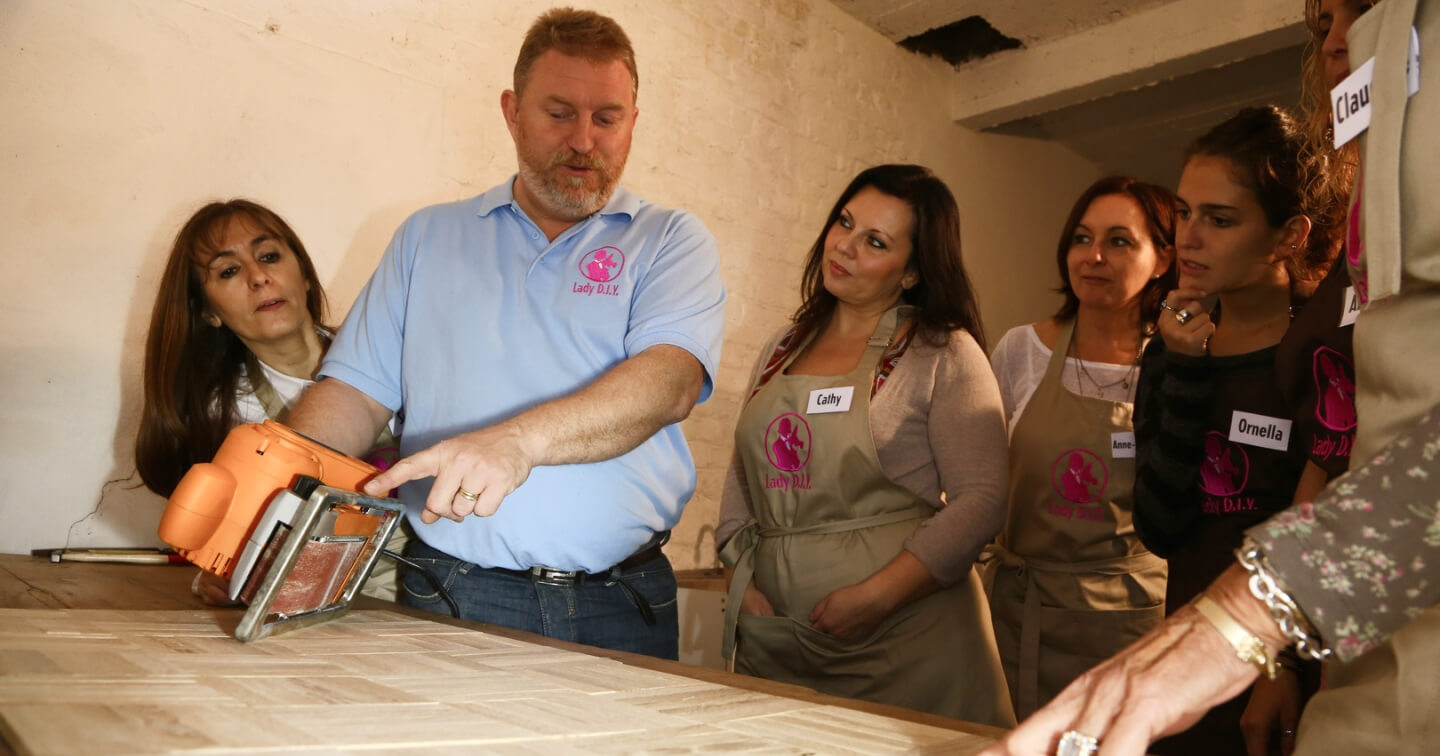
Workshops and support groups are another important aspect of community resources. They create a space for individuals to ask questions, share experiences, and learn from others in similar situations. These gatherings not only provide information but also build a sense of community and mutual support.
- Legal clinics offering free consultations
- Workshops on filling out POA forms
- Support groups for caregivers and families
These resources can help demystify the process and provide reassurance that you are not alone in this journey.
Challenges in Understanding Power of Attorney
Despite the availability of resources, many individuals still face challenges when it comes to understanding Power of Attorney. Misconceptions abound. Some people believe that a POA is only necessary for the elderly, while others think it relinquishes all control over their affairs. This misunderstanding can lead to hesitance or even avoidance of the subject altogether.
Community resources can help combat these misconceptions by providing accurate information and real-life examples. By attending workshops or reading educational materials, individuals can gain clarity about what a POA truly entails and why it’s relevant to people of all ages.
Legal Aid and Professional Guidance
For those needing personalized assistance, legal aid organizations can be vital. They offer free or low-cost services to help individuals manage the complexities of Power of Attorney. These professionals can provide one-on-one consultations, helping clients understand their rights, responsibilities, and the implications of their choices.
Moreover, having a professional on your side can help ensure that documents are correctly completed and filed, reducing the risk of future complications. Many community legal aid offices frequently hold informational sessions or offer resources on how to establish a Power of Attorney, making this support accessible to everyone.
closing: Empowering Communities Through Knowledge
Community resources play an essential role in demystifying Power of Attorney in Mississippi. By providing education, support, and access to legal professionals, these organizations empower individuals to take control of their legal affairs. With the right knowledge and resources, anyone can manage the complexities of establishing a Power of Attorney, ensuring that their wishes are honored and their affairs are managed according to their preferences.
Leave a Reply